The primary purpose of UX design is to create enjoyable, seamless experiences that help visitors reach their goals without friction and confusion. When done right, investing in user experience can maximize on-page engagement, boost website conversion rates, and even elevate brands’ reputations – particularly in competitive or highly technical industries.
However, one of the main benefits of UX design that most business owners disregard is its role in shaping modern customer trust.
At its core, brand trust is a key purchase-influencing factor. According to a survey conducted by Cisco, 75% of people won’t even consider buying from a brand they don’t trust with their data. However, when businesses earn their target audience’s confidence, they can enjoy significant benefits, with data suggesting that 68% of shoppers would pay more for products from brands they trust.
In other words, brand credibility can easily be defined as the invisible driver of business success. Furthermore, UX design plays a significant role in shaping your organization’s dependable and trustworthy image.
So, if you want to learn more about how UX design shapes modern customer trust, here are the primary benefits of creating an enjoyable browsing experience to improve your brand’s reputation. Let’s get into it.
Social Proof Provides Key Pre-Purchase Information
One of the easiest methods to combine the power of user-centric design with trust marketing is to make it exceptionally easy for web visitors to find proof-based pre-purchase information while browsing your website.
According to consumer behavior research, 79% of shoppers read three or more reviews before making a purchase decision. What is more, 47% of people won’t use a business that has fewer than 20 reviews, further establishing the importance of incorporating social proof into your website design.
Naturally, there are multiple social proof formats you can choose to showcase on your site. Customer reviews, star ratings, case studies, and UGC all enhance customer trust and demonstrate a commitment to customer satisfaction. Nevertheless, if you want to ensure these web elements have the best possible positive impact on user experience (and your conversion rates), make sure to provide them with a prominent spot in your site’s layout.
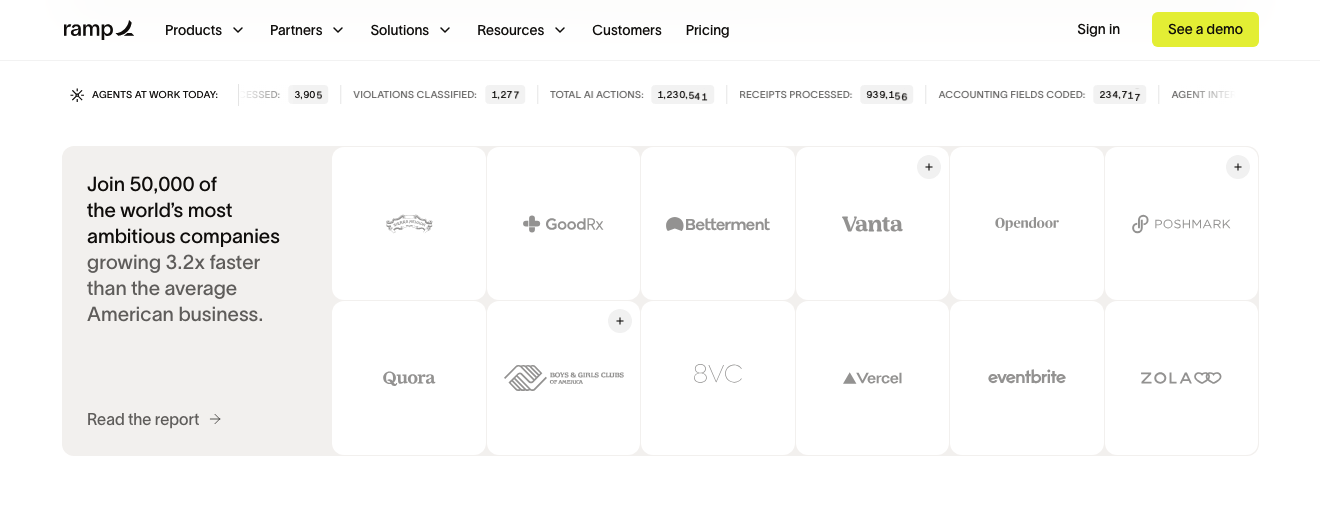
If you check out Ramp, you’ll notice that this business shapes customer trust through UX design by highlighting a valuable case study report. Using a combination of value-positioning copy – saying that its clients grow 3.2x faster than the average American business – and social proof – recognizable client logos – Ramp effectively guides its web visitors’ attention to powerful social proof that’s guaranteed to improve brand perception.
Source: ramp.com
Trust Certificates Reduce Risk-Aversion
If you look at one of the most common cart abandonment reasons, you’ll find that 19% of shoppers fail to buy because they didn’t trust a website with their credit card information.
Naturally, several trust marketing activities can prevent this from happening on your website. However, if you’re interested in using user experience design to position your business as credible and dependable, one of the easiest ways to do it is with trust certificates.
Recent research found that 72% of consumers are more likely to buy products with certification marks. But even if you don’t have any third-party certifications or awards to show off in your online presence, you can still use this UX design principle to elevate customer trust.
For example, if you check out Asia Patient, you’ll notice that this brand effectively uses trust badges (alongside verifiable data) to establish its trustworthiness. The “Verified clinics & real patient data” badge at the top of the homepage quickly sets web visitors’ expectations regarding the organization’s dependability. Furthermore, the education-oriented on-site content strategy further confirms the brand’s credibility and commitment to customer satisfaction.
Source: asiapatient.com
Microcopy Reinforces Conversion Intent
One of the primary reasons why trust is so important to modern consumers is that they often feel overwhelmed by the sheer number of potential solutions to their pain points or uncertain in their ability to make a purchase decision they won’t regret later on.
Great UX design prevents this from happening by guiding shoppers toward the exact purchase outcomes they desire. Moreover, it addresses and removes common buyer fears, reinforcing their purchase intent and making them feel confident in their buying decisions.
Microcopy is one of the most important UX design elements for shaping customer trust because it does exactly this. It removes web visitors’ conversion obstacles and reassures potential customers that choosing your brand, products, and services is a safe decision.
Of course, to make it work in your favor, be sure to produce microcopy that works. This doesn’t just mean that it should specifically target your ideal customers’ fears and uncertainties. It’s equally important that you position it in spots where it’s most likely to have a positive impact on your prospects’ purchase intent.
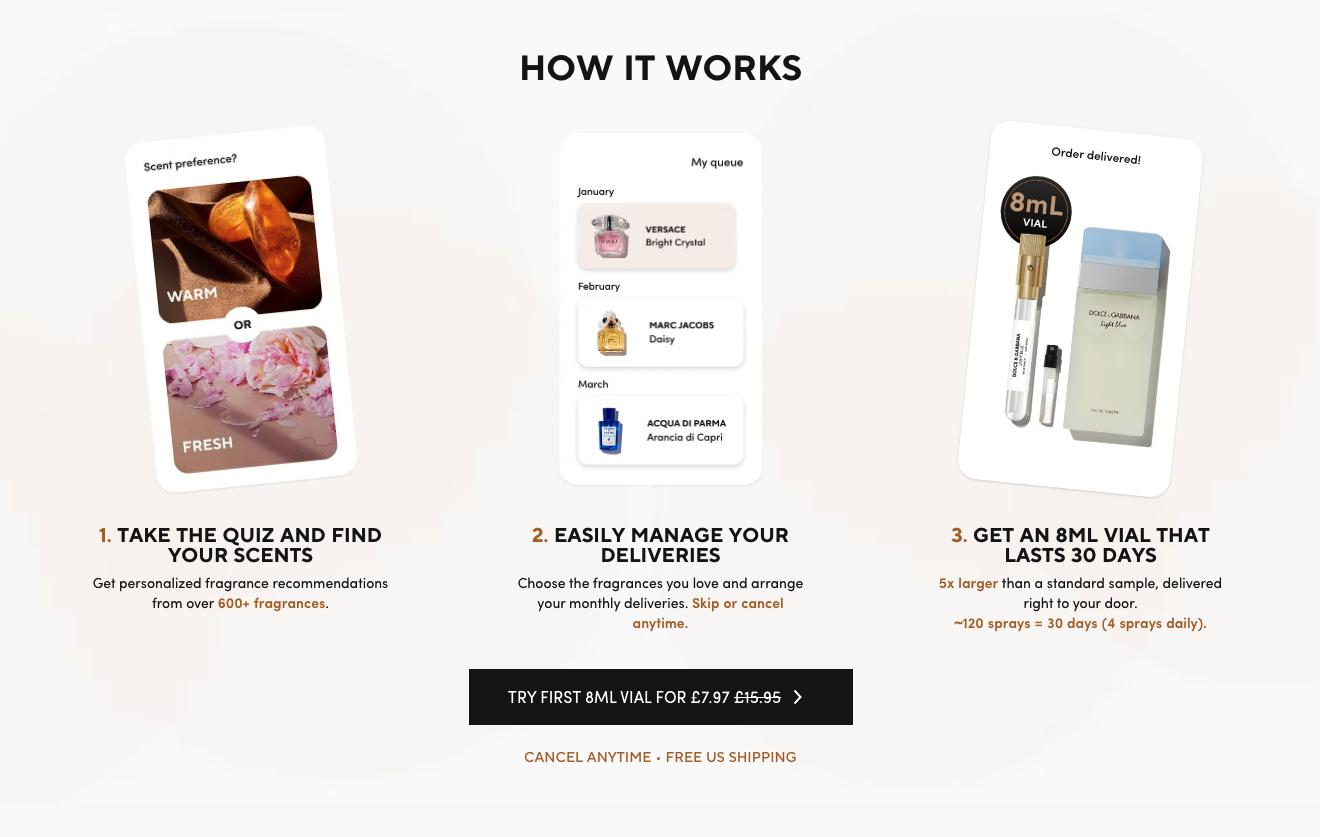
For instance, if you check out Scentbird, you’ll see that the business uses microcopy to boost product understanding, remove consumer fears (about cancellation and shipping costs), and strengthen key conversion elements such as the main CTA button on the page.
Source: scentbird.com
Transparency Sets CX Expectations and Prevents Cart Abandonment
When moving through the sales funnel, most consumers don’t appreciate surprises.
Instead, a positive user and customer experience consistently provides shoppers with easy access to all relevant pre-purchase information, including product details, buying terms and conditions, and returns policies.
In fact, if you consider that 85% of consumers want complete transparency regarding shipment timelines and that 73% of people would pay more for products that guarantee total transparency, it comes as little surprise that being generous with information is a core element of an enjoyable user and shopping experience.
The great news is that injecting more transparency into your UX design doesn’t have to be difficult. Yet, it can be a great way to drive brand trust.
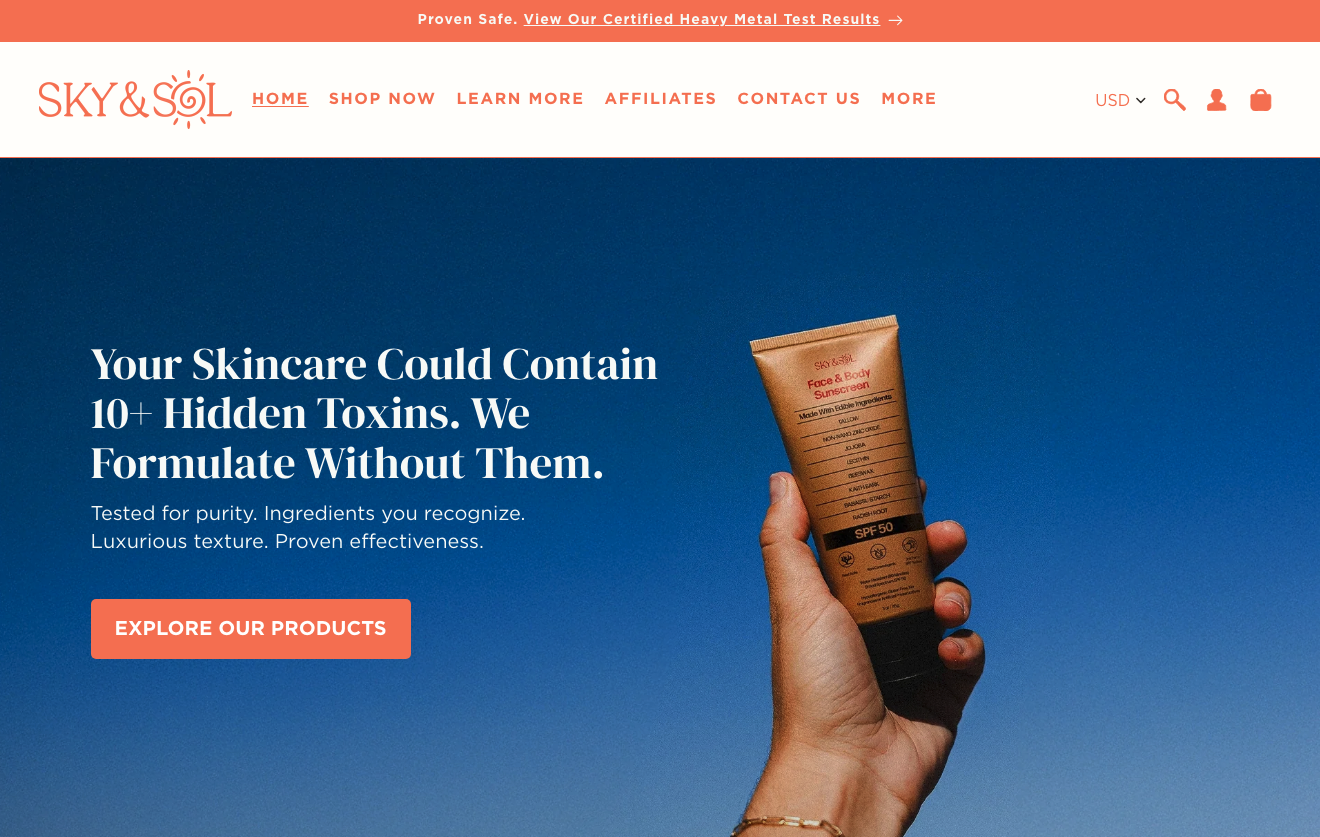
For instance, Sky & Sol understands that its target audience wants safe and clean skincare products. That’s why it includes transparency-boosting UI elements, presenting shoppers with easy access to product ingredients information – a mall UX tweak that most of the brand’s competitors ignore.
Source: skyandsol.co
Accessibility Communicates Customer-Centricity
Making the right aesthetic choices and producing user-centric marketing messages (yes, including commonly overlooked microcopy) are both exceptionally powerful at providing web visitors with an enjoyable browsing and shopping experience. But the truth about UX design is that it’s not just about the visual/textual aspects of your site. Performance, technical details, and accessibility matter just as much.
For example, if you look at some of the latest data, you’ll find that over 95% of major websites don’t meet even the basic website accessibility standards. And while this may not sound that worrying, it actually is.
Unaccessible web design prevents a significant portion of your target audience from having an enjoyable (and productive) browsing experience. Furthermore, it sends the message that your brand doesn’t care about its potential customers – an impression that automatically harms customer trust.
With this in mind, a great tactic to boost website user experience and convince your potential clients that they can rely on your business for great CX is to make your site more accessible. And you can easily do this with a dedicated web accessibility solution like Userway.
If you check out Mesothelioma.net, you’ll notice that the brand includes an accessibility control on its homepage, allowing visitors to control how the page appears. A UX design choice like this ensures that people with a disability can easily consume the site’s content. It also makes browsing more enjoyable, as it’s fully customizable to match the experience web users seek.
Source: mesothelioma.net
Loading Speed Improves Reliability Perception
Website loading speed is another commonly overlooked technical UX factor that significantly influences brand perception.
Ultimately, consumers don’t have patience for slow websites. They seek fast, seamless browsing experiences that allow them to resolve their pain points without frustration. And if you’re not convinced that page speed influences brand perception, consider the following: just a 3-second bump in page load speed increases the probability of a bounce by 32%.
This means that slow sites are much less likely to engage web visitors, making it more difficult to earn customer trust.
Fortunately, there are multiple effective strategies to optimize site speed. However, when it comes to the most effective ones, they boil down to testing your site’s performance, then making any necessary simplifications to ensure a fast, seamless user experience.
CapitalPad, for instance, stands out as a brand whose website ranks exceptionally high on the UX scale. In addition to loading fast (on mobile and desktop), this brand’s online presence is fully optimized to meet user needs, including progressive information disclosure, clear navigation pathways, and customer-centric design choices that prioritize lead education over aesthetic complexity.
Source: capitalpad.com
Responsive Design Prevents User Frustration
According to web user behavior research, around half of the global population browses the internet on handheld devices.
So, when looking for UX design strategies that can help you position your brand as customer-centric (and, consequently, trustworthy), one of the best things you can do is ensure that your site’s design is responsive.
At the end of the day, the price of non-responsive design is steep. For instance, research from Adobe suggests that one-third of web users would stop viewing content that doesn’t look good on their current device.
Even more importantly, your first touchpoint with potential customers is very likely to happen through smartphone devices, making it crucial that you leave a positive, polished, and trust-building impression.
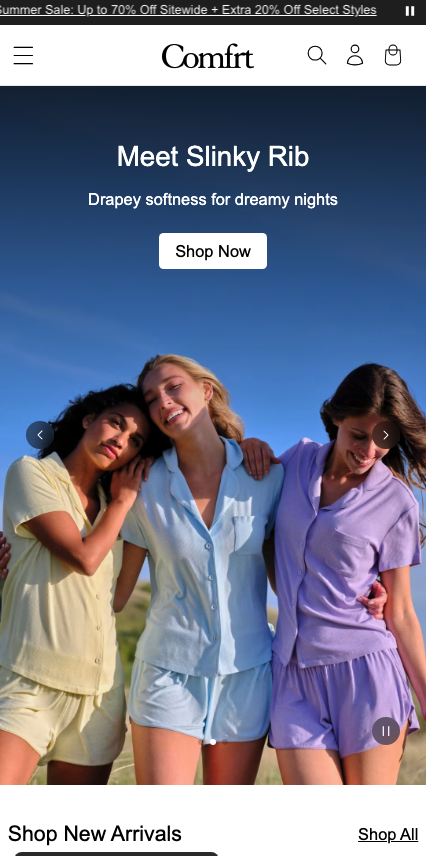
So, don’t hesitate to invest in mobile design. Take inspiration from businesses like Comfrt, which use responsive UX design tactics to build enjoyable browsing experiences, helping leads move through the buyer’s journey with ease and confidence.
Source: comfrt.com
Negative Space Helps Trust-Building Information Shine
Lastly, when investing in UX design to build brand trust, don’t forget that the way you organize on-page content determines how your potential customers perceive it.
Bombarding web visitors with too much information at once causes confusion, overwhelm, and a high chance of abandoning the buyer’s journey. Organizing copy, however, in a way that aligns with web users’ browsing preferences creates an enjoyable and highly educational experience that’s far more effective at facilitating product understanding and brand trust.
For example, something as simple as padding information with sufficient negative space can encourage your prospects to stop and consider all of your value propositions – making them much more likely to remember your messaging and form a positive impression about your brand and solutions.
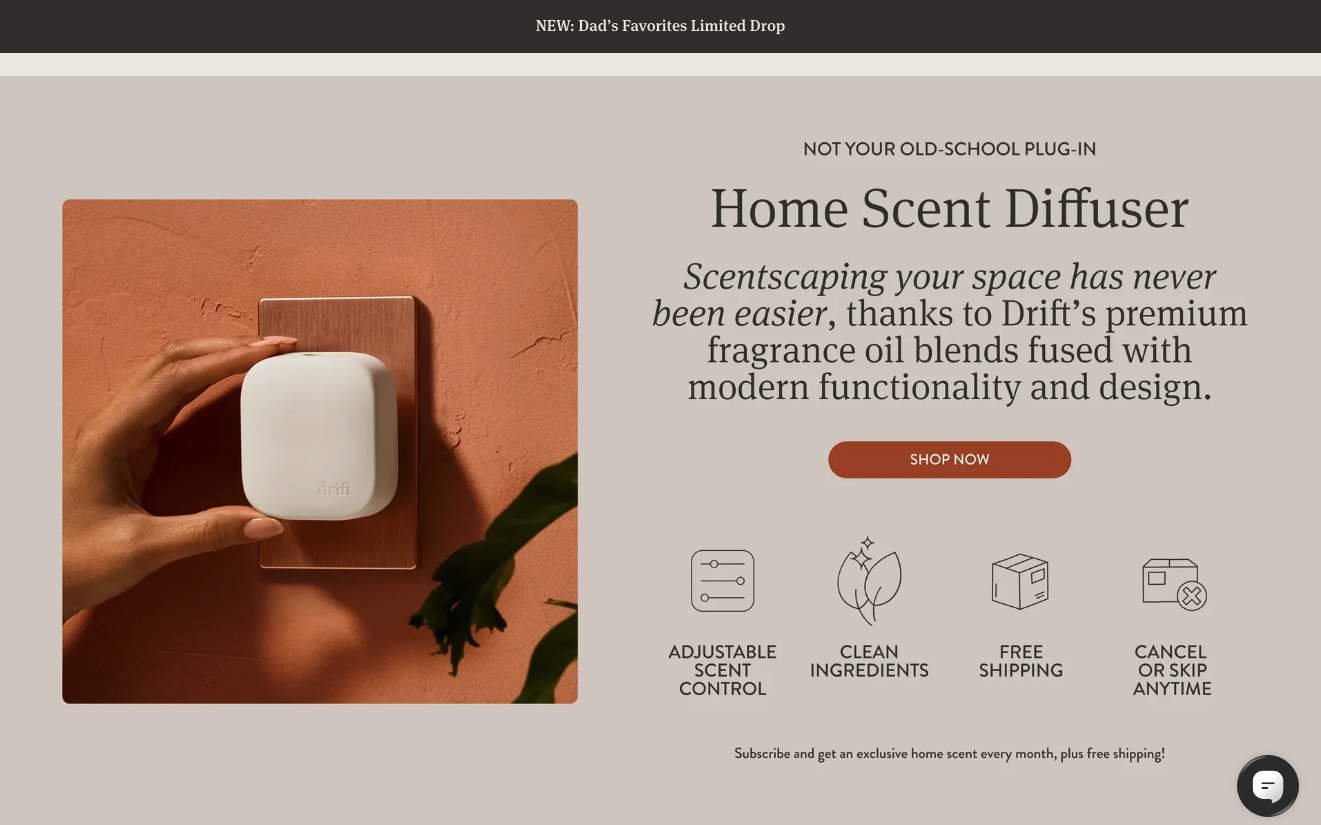
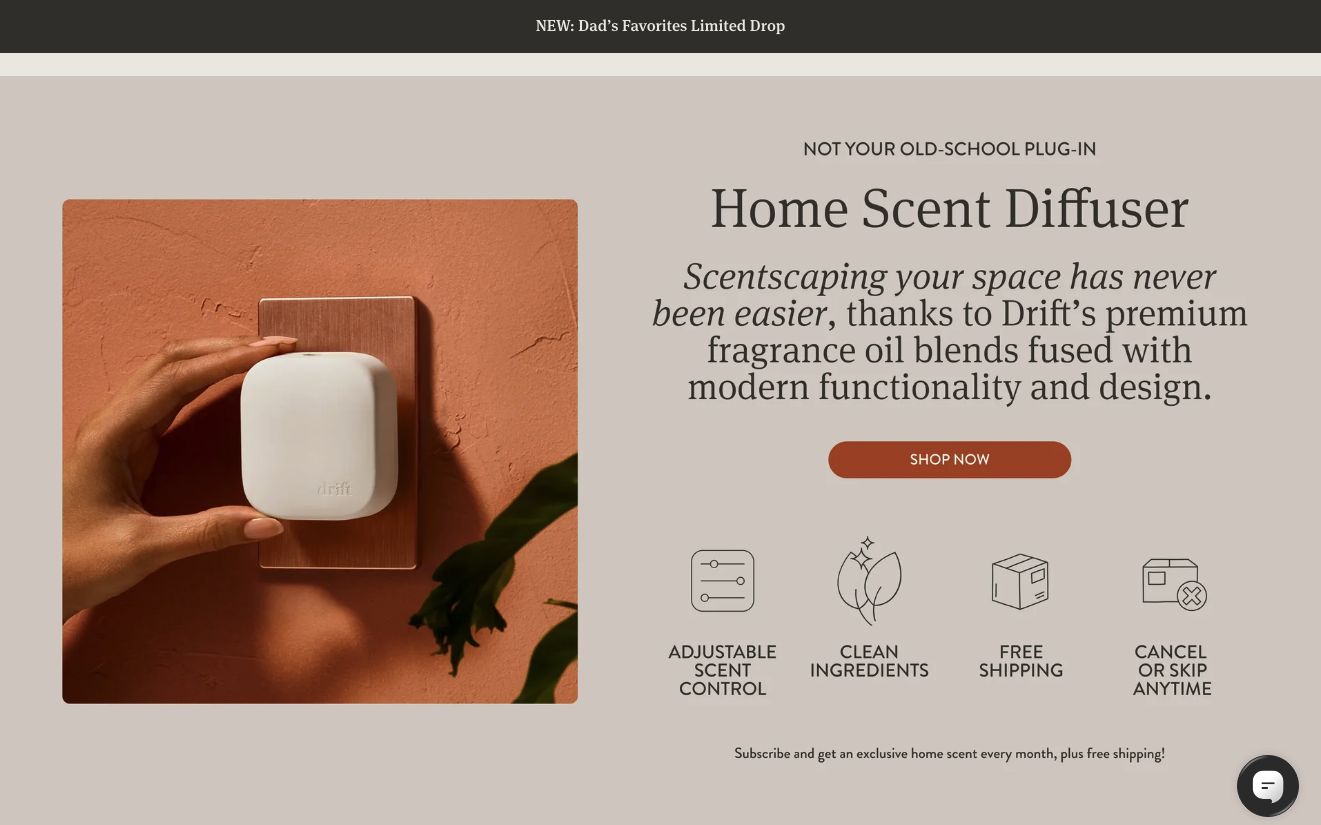
If you check out Drift, you’ll find that this business employs negative space in a way that emphasizes trust-building information, including the fact that the brand uses clean ingredients, offers free shipping, and has a no-questions-asked cancellation policy, which is hugely impactful in positioning it as a credible and customer-oriented business.
Final Thoughts
Investing in UX design isn’t just a way to generate profit by presenting prospects with enjoyable brand experiences. Instead, it’s a marvelous opportunity to positively influence brand perception.
Whether you focus on the visual or technical aspects of user experience optimization is entirely up to you. But you can rest assured that every small improvement in UX will deliver returns in terms of brand reputation and customer trust, making it easier for you to differentiate your business as an industry authority that prospects will want to buy from.

- Selling Specialized Products: 6 UX Strategies for Educating and Converting Customers - August 11, 2026
- How UX Design Shapes Modern Customer Trust - June 23, 2026
- Reducing Cognitive Load: How Simpler UX Drives Better Outcomes - April 20, 2026
 Give feedback about this article
Were sorry to hear about that, give us a chance to improve.
Error: Contact form not found.