User experience design is seldom discussed in the context of brand trust. Yet the simple truth is that UX directly influences brand credibility and consumer confidence, making it an essential aspect of a successful marketing, branding, and sales strategy.
But what aspects of UX do you need to pay attention to, if you want to ensure your website drives trust in 2026? Furthermore, are there any relevant design trends related to site usability that you simply need to incorporate into your online presence?
In this guide, we’ll take a closer look at some of the top UX essentials every website needs to stay trustworthy in 2026, along with real-world examples of what they can look like, so that you can have an easy time including them on your site for top-notch brand reputation (and conversion) outcomes. Let’s get into it.
Speed and Mobile Optimization
Web performance is a key aspect of user-centric design. On the surface, it may seem overly technical and even unnecessary for true conversion potential. However, web user behavior research suggests otherwise.
For over a decade, we’ve known that most people browsing the web have very little patience for slow performance.
Data from Google suggests that 53% of visits result in a bounce when a site takes longer than 3 seconds to load. Moreover, scientific research continues to confirm that most people’s attention spans are becoming shorter.
Combine this with an ever-growing tendency toward browsing websites and shopping on mobile phones, and it becomes evident that performance optimization is non-negotiable for a pleasant (and conversion-oriented) browsing experience.
But what does this have to do with brand and website trust?
Well, the primary way in which speed and mobile optimization affect credibility is that they support the effectiveness of communicating your brand’s trustworthiness. Essentially, in 2026 and beyond, you have to be prepared to instantly convince web visitors that your site (and business) can be trusted.
Site speed and responsive design won’t do this directly. However, they will contribute to higher engagement rates, which automatically allows you to boost the effectiveness of your trust-building UX design strategies.
Verifiable Social Proof and Trust Signals
There’s no doubt regarding the importance of social proof and trust signals in establishing brand credibility.
But if you’re looking for opportunities to elevate your site’s UX in a way that will help earn your target audience’s trust, it’s a good idea to add the element of verifiability to your online presence.
Essentially, most consumers don’t take brand claims at face value. And this often applies to reviews and ratings as well — especially considering that a significant portion (more than 30%, to be precise) of social proof is proving to be fake.
To prevent negativity bias from harming your site’s ability to drive consumer confidence, you can employ UX strategies that enable the verification of website trust elements.
For example, if you check out the Custom Sock Lab approach to social proof, you’ll notice that it invites web visitors to “view more” reviews. It leads web visitors directly to the brand’s Google Business Profile, where shoppers can easily browse customer feedback without having to worry about fake social proof.
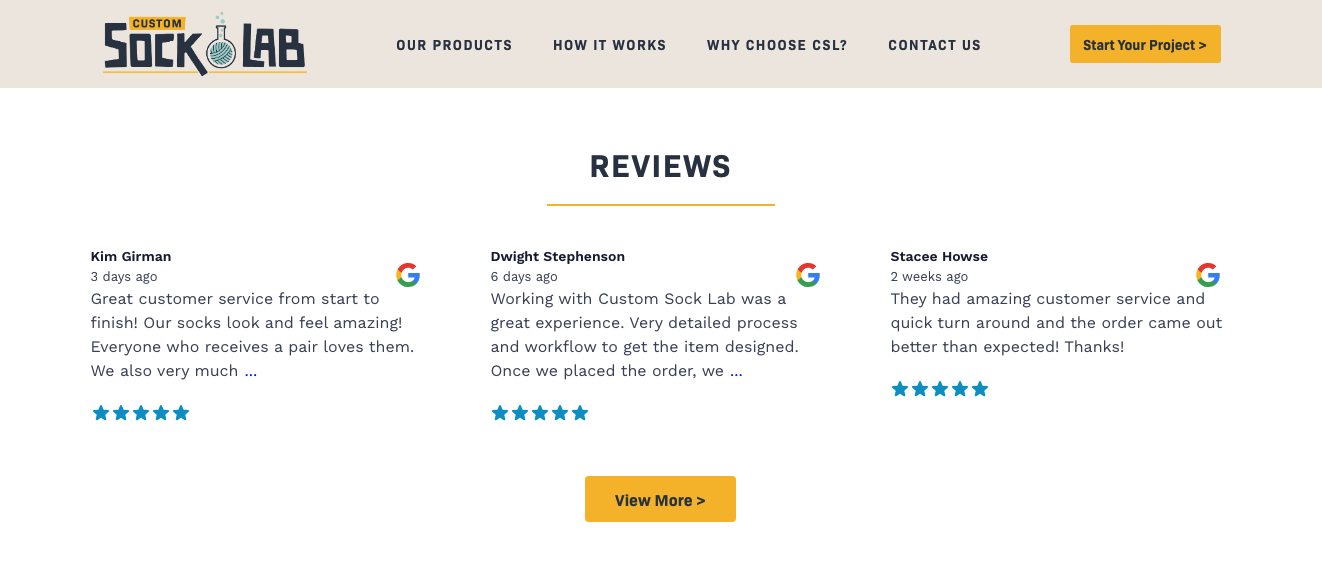
Source: customsocklab.com
Of course, there’s more than one way to earn customer trust.
In addition to showcasing customer feedback, it’s also important to be committed to transparency. You can be transparent by informing your audience about the origins of your products or your production process.
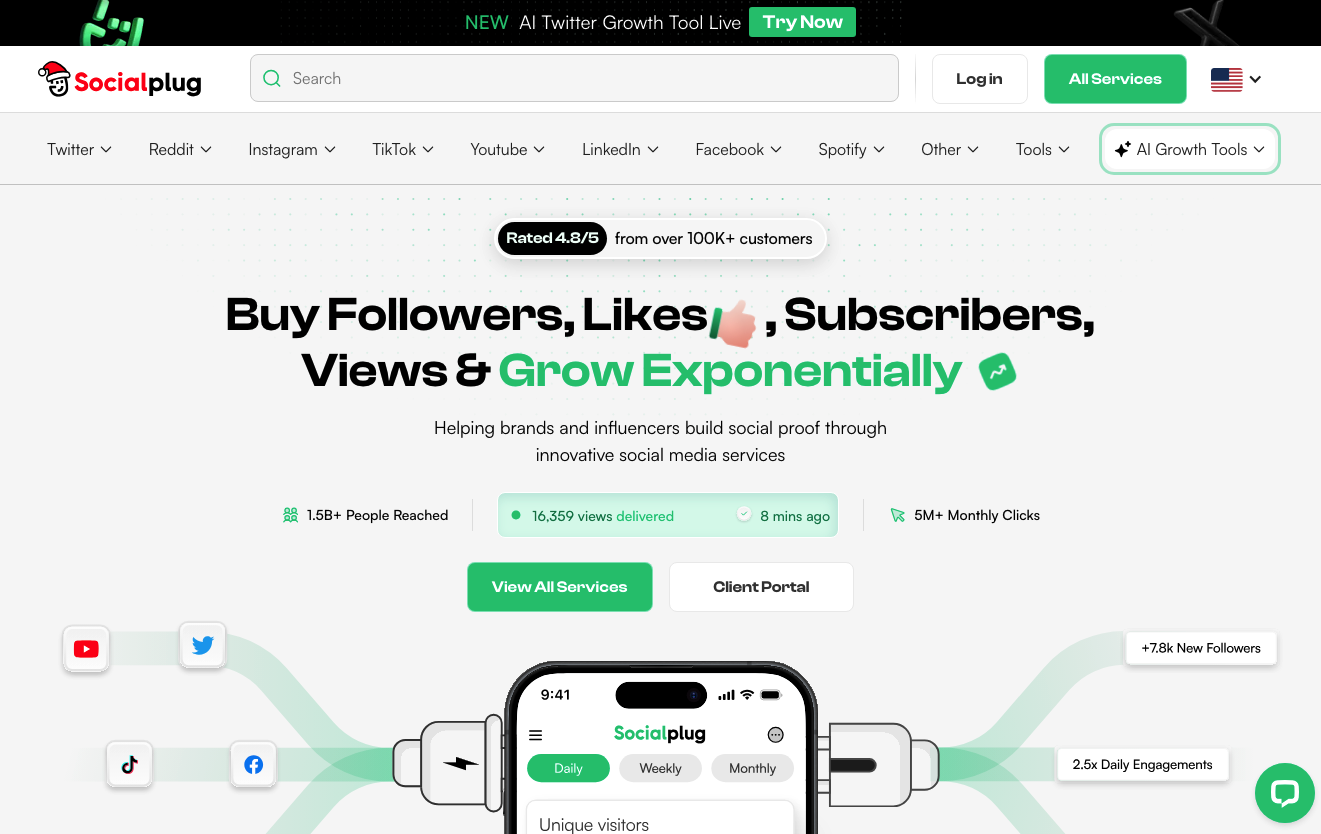
For instance, take a look at the Asket product pages. You’ll find that they include UI elements that allow shoppers to check exactly where and how each garment is made. There are clickable supplier profiles and information about when the brand’s representatives last visited each supplier facility.
At first glance, this breadth of information may seem too much. However, in a market where transparency and sustainability are so crucial, this UX design strategy effectively helps Asket establish its brand as a genuinely trustworthy business in an otherwise problematic market.
Source: asket.com
User-Centric Contact Options
The availability of customer care is an extremely significant driver of purchase decisions.
Research suggests that 88% of consumers think customer service is more important than ever. More importantly, 64% would replace a brand despite enjoying its solutions due to a lack of good customer service.
So, if you care about user experience, making it effortless for potential customers to seek your assistance should be on top of your UX design hacks for elevating brand trust and conversion rates.
What’s great about implementing this tactic in 2026 is that it’s genuinely easy due to the wide availability of customer support solutions. These can range from text-based FAQ resources to AI-powered chatbots to website elements that direct visitors directly to your in-house support team.
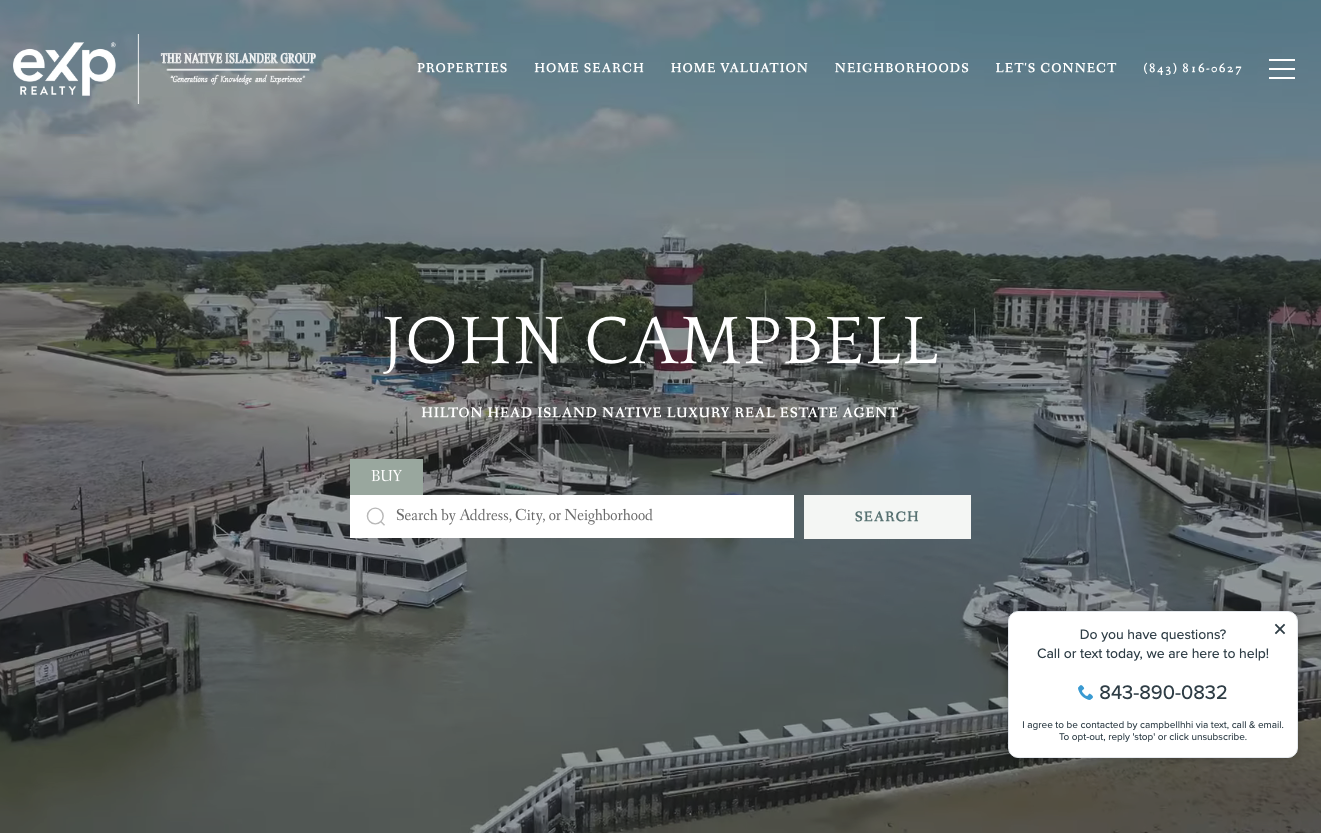
For example, if you check out the John Campbell site, you’ll see a subtle yet noticeable pop-up element that instructs web visitors to call or text a number in case they have any unanswered questions or require any type of assistance. It’s a marvelous method to emphasize the business’s dedication to customer satisfaction, build brand trust, and a smart way to ensure productive movement through the buyer’s journey — even for customers with specific needs.
Source: johnsellshiltonhead.com
Additionally, incorporating personalization into your lead-generation and onboarding website elements can be another great way to communicate trustworthy user-centricity. This simple UX hack facilitates a personalized approach to customer conversions. And it doesn’t even need to be an overt invitation for prospects to get in touch with your business.
For example, product finder quizzes, like the Amerisleep Mattress Quiz, enable you to learn key information about potential customers while presenting them with relevant value. The interactive approach is engaging, attractive, and most importantly, it’s an effective method for your sales team to collect data about potential customers, helping them create personalized offers that have a higher chance of resulting in a sale.
Source: amerisleep.com
Engaging and Interactive Data Visualization
Trust-focused user experience design is not just about how you address and meet your target audience’s expectations. It’s equally about how you communicate core messages, specifically those that cover the benefits of your solutions.
Text-based content can do a great job in this regard. After all, text has been used to sell products for decades, and it has always worked — especially when good copywriting meets smart formatting techniques.
But while copy can be an effective tool for driving trust and elevating purchase intent, it isn’t always the best way to communicate with your audience. That’s where more advanced formats come into play.
By incorporating visuals into your site’s design, you make it easier and faster for prospects to learn about your offer. Additionally, visuals provide web visitors with a more enjoyable browsing experience that is also more successful at elevating product understanding than written content.
But here’s the deal. If you want to build brand credibility while delighting your audience, you’ll want to find the right approach to engaging your prospects.
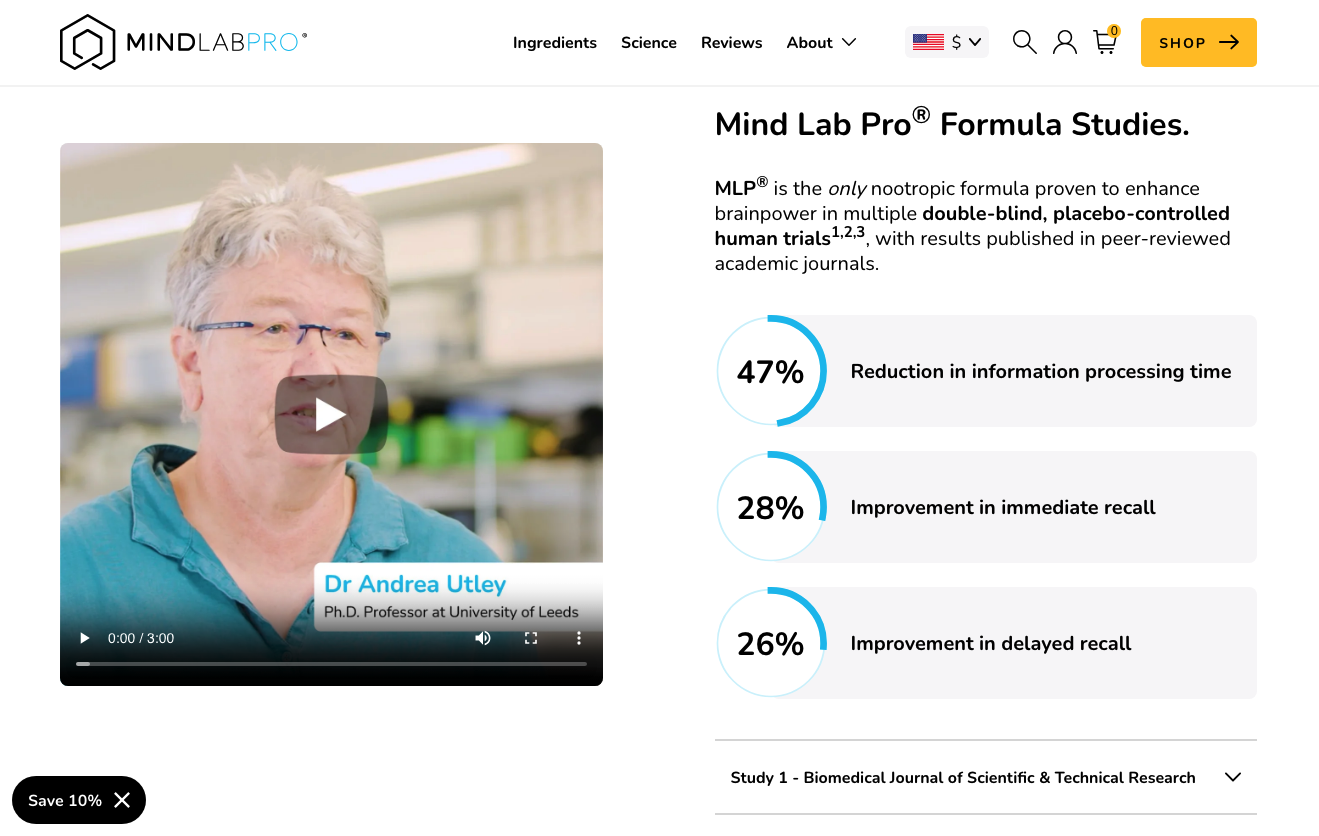
Data visualization resources, for instance, are a great tool for doing this, seeing as they combine user-centric proof of product quality with engaging visualization formats to ensure full comprehension.
For example, if you check out Mind Lab Pro, you’ll notice that the brand finds a way to present research data in a way that’s truly gripping, thanks to adaptive UX design, interactive visual elements, and engaging video resources that transform (otherwise unexciting) research data into convincing verifications of the product’s effectiveness.
Source: mindlabpro.com
Soul, Emotion, and Customer Relevance
Traditionally, consumer feelings are much more commonly addressed by visual design and marketing copy than by UX tactics. However, the simple truth is that how a website feels can be extremely effective at engaging and winning over leads — particularly from a trust-oriented standpoint.
The reason for this is that a great user experience often goes unnoticed. But if a website is clunky, it’s almost guaranteed to harm brand reputation and conversion rates.
So, by implementing trust-oriented UX strategies into your online presence, you can control the way your audience feels about your business (and products and services) and elevate their purchase intent through subconscious factors such as delight, hyper-relevance, or emotional connection.
But what specific UX elements can you use to reach these outcomes?
For starters, simple website factors such as visual hierarchy, negative space, and navigation determine your target audience’s ability to find answers to their questions. Businesses like Linear manage to combine trust-driving communication methods and site structure to create enjoyable product discovery processes that automatically result in higher conversion intent than clunky or insufficiently clear sites.
Source: linear.app
Secondly, some UX elements — such as micro-interactions and motions — can create a sense of momentary relevance, exclusivity, or even delight, drawing an emotional response from web visitors and encouraging them to perceive your brand in a more positive light.
For example, the dynamic social proof content used by Socialplug does a marvelous job of drawing attention to the brand’s trustworthiness and the effectiveness of its solution by specifying the exact time a certain outcome was achieved. This effectively communicates that there are always customers using the brand’s product, which automatically improves the brand’s reputation.
Source: socialplug.io
Accessibility and Inclusivity
In 2026, there should be absolutely no excuses for your website not meeting accessibility standards.
First and foremost, it’s becoming increasingly easy to ensure your UX design aligns with the needs of your web visitors. Secondly, accessibility and inclusivity can be directly linked to brand trust, making it an irreplaceable part of your brand reputation strategy.
Now, in addition to meeting basic accessibility standards (which, coincidentally, 94.8% of websites don’t), there are many additional methods to design browsing experiences that are enjoyable, user-friendly, and inclusive.
For example, simple strategies like enabling dark mode can be extremely effective at making your website more pleasant to interact with.
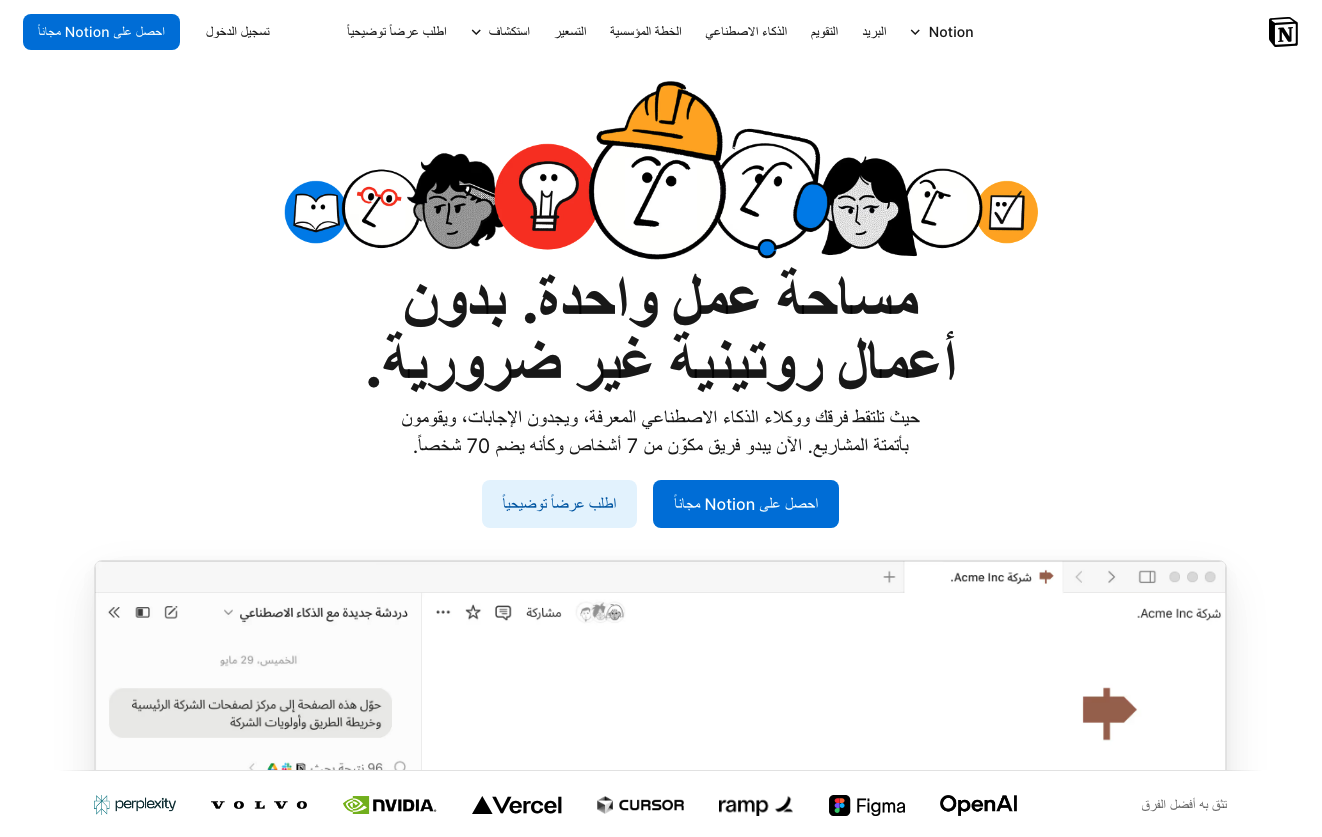
Alternatively, you could take a step further and incorporate multilingual support into your online presence. Notion did this rather well by adapting not only the site language but also its page layouts for right-to-left language systems.
Source: notion.com
Adaptive Content and Interfaces
Do you want to take your site’s UX design to the next level in 2026 and guarantee that your ideal customers perceive your business as a credible, competent, and trustworthy entity? In that case, you need to embrace every available opportunity to demonstrate a profound understanding of your prospects’ pain points, preferences, and needs.
Incorporating adaptive content, dynamic interfaces, and context-aware elements into your online presence can provide an excellent opportunity to achieve this, giving web visitors a personalized, enjoyable, and relevant browsing experience while positioning your brand as a reliable organization they can depend on to meet their needs.
For an example of what this looks like in practice, check out this collections page from EXT Cabinets. This brand allows buyers to make installment payments, knowing that its products qualify as part of big-ticket purchases. However, what’s particularly smart about the brand’s approach to doing this is that it invites web visitors to check if they “qualify” for Affirm payments. This way, EXT gives shoppers an exact breakdown of what they can expect installments to be for each item they may opt to purchase.
Source: extcabinets.com
Other examples of adaptive content include 3D and AR visuals on ecommerce websites, which allow buyers to see what a specific solution looks like in their personal space.
Or, if you’re willing to invest in more advanced UX design features, you could even create website interfaces that evolve with usage — like the Netflix homepage that uses users’ watch history to recommend relevant content they can explore.
Final Thoughts
Although user experience design isn’t always recognized as a significant contributor to brand trust, there’s no doubt about the tremendous role it plays in positioning a business as credible and dependable.
Of course, the way UX drives consumer confidence doesn’t boil down to copy and content (whether branded or user-generated). Instead, its main mechanism for earning customer trust relates to shaping pleasant, user-centric browsing experiences that subtly demonstrate consistency in meeting customer needs and expectations.Naturally, the UX essentials covered in this guide are just a first step toward building a truly trustworthy brand reputation. For maximum success, it’s important that each of the tactics works seamlessly and aligns with your audience’s needs. That’s why online usability testing is such a crucial part of getting the most out of your website — regardless of your short or long-term goals.

- UX Essentials Every Website Needs to Stay Trustworthy in 2026 - January 19, 2026
- The UX of Trust: Why Design Can Make or Break Brand Credibility - November 24, 2025
- 6 Ways User Experience Shapes Customer Decisions Across Industries - October 13, 2025
 Give feedback about this article
Were sorry to hear about that, give us a chance to improve.
Error: Contact form not found.