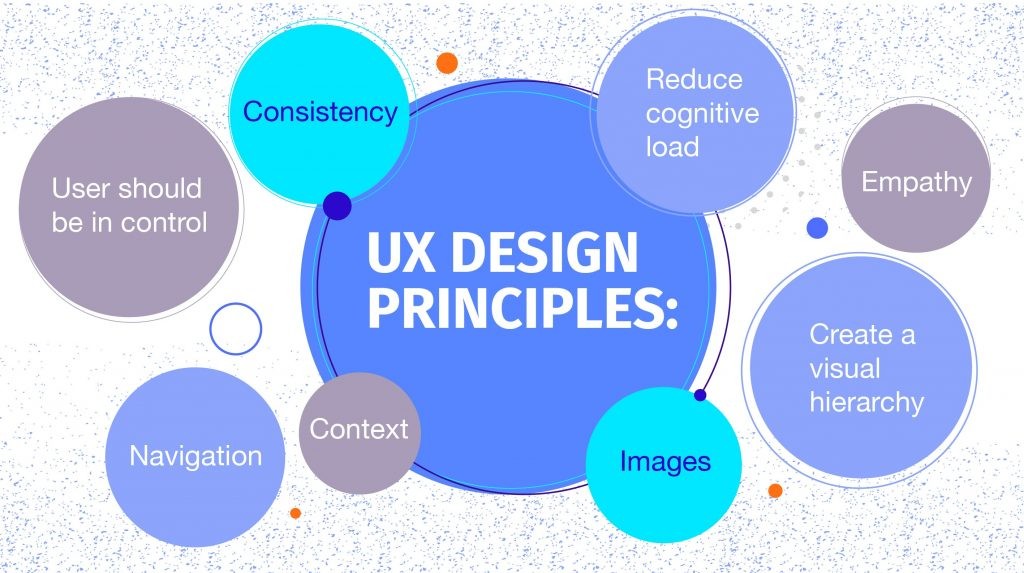
User experience (UX) design is all about how people feel when they use digital products, like websites or apps. It’s not just about how something looks or works but focuses on making sure users have a smooth, enjoyable experience. Good UX design can make users happier, increase their engagement, and contribute to the success of your product.
What Are UX Design Principles?
UX design principles are guidelines that help designers create user-friendly and enjoyable experiences. These principles are based on how people think, behave, and interact with products. They ensure that products are not only functional but also easy and pleasant to use.
Why Should You Know UX Design Principles?
Understanding UX design principles is important for several reasons:
- Better User Satisfaction: When a product is easy and enjoyable to use, people are happier with it. This leads to more engagement and positive reviews.
- Intuitive Interfaces: UX principles help create designs that users can easily understand and navigate, reducing frustration.
- Improved Business Results: Satisfied users are more likely to keep using and recommending your product, which can increase sales.
- Building Trust and Loyalty: A consistent and reliable user experience makes users trust your product more and stay loyal to it.
- Competitive Edge: In a crowded market, a great user experience can make your product stand out from competitors.
The UX Design Process
Creating a great user experience involves several steps:
- Research: Understand what users need and how they behave.
- Design: Create wireframes and prototypes that focus on layout and user interaction.
- Testing: Get feedback from users and make improvements.
- Implementation: Work with developers to bring the design to life.
- Evaluation: After launch, measure user satisfaction and continue improving the product.
Top UX Design Principles
Here are some key principles that make a big difference in user experience:
- Consistency: Keep design elements similar across all pages for a seamless experience.
- Feedback: Provide clear feedback, like success messages after actions, to reassure users.
- Simplicity: Keep designs simple to help users focus on their tasks.
- User Control: Give users control, like the ability to undo actions, to build their confidence.
- Accessibility: Make sure your design works for everyone, including people with disabilities.
- Error Prevention: Help users avoid mistakes by highlighting important fields and providing confirmations.
- Efficiency: Save users time by offering shortcuts and auto-filling forms.
- Visual Hierarchy: Use clear headings and bold text to guide users through content.
- Affordance: Use visual cues like buttons and sliders to show how users can interact with the interface.
- Aesthetic and Minimalist Design: Keep the design clean and focused by removing unnecessary elements.
How These Principles Improve User Satisfaction
Each principle contributes to a better user experience in its own way. For example, consistency reduces confusion, simplicity enhances usability, and accessibility ensures everyone can use the product.
Tips for Applying UX Principles
- Regularly test your designs with users to gather feedback.
- Make accessibility a priority from the start.
- Stay updated with the latest UX trends and best practices.
- Work closely with developers to ensure your designs are implemented accurately.
Challenges in Applying UX Principles
Designing with UX principles in mind can be challenging, especially when balancing aesthetics with functionality, ensuring accessibility, and maintaining consistency across different platforms.
Best Practices for UX Design
- Empathize with Users: Understand their needs and challenges.
- Conduct User Research: Gather insights through surveys and tests.
- Focus on Accessibility: Design for inclusivity from the start.
- Iterate and Improve: Continuously refine your designs based on feedback.
- Stay Current: Keep up with the latest trends in UX design.
Conclusion
Understanding and applying UX design principles is key to creating digital products that users love. By focusing on consistency, feedback, simplicity, and other important principles, you can enhance user satisfaction and achieve greater success with your products. Regularly testing and updating your designs will help ensure your product continues to meet user needs.
 Give feedback about this article
Were sorry to hear about that, give us a chance to improve.
Error: Contact form not found.